Azura Farrell-Mcleod
- University of Birmingham
- Quantum Driven Technologies for Sustainable Water Treatment
- Professor Eva Valsami-Jones Dr Will Brownlie Dr Manpreet Kaur
Water security is a growing global challenge, increasingly threatened by the persistent contamination of water resources with both emerging and conventional pollutants. While conventional treatments have long been effective, my research takes a new direction by exploring quantum-driven approaches in chemistry and nanotechnology to better understand pollutant removal, with a focus on heavy metals and agricultural contaminants
In the UK, water quality is under mounting pressure due to sewage discharges, aging infrastructure, and chronic underinvestment in wastewater treatment. These challenges, coupled with growing risks of drought, highlight the urgent need for novel solutions. My work incorporates technological innovation but also in questions of equity, recognising that access to clean water is often determined by wealth and power. I am particularly focused on communities that have been systematically excluded from water access, left with contamination, scarcity, or unreliable supply.
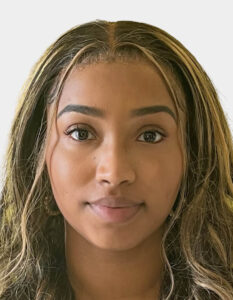
I hold a background in Environmental Science and Environmental Engineering and have worked across sectors including civil service, the third sector, and corporate environments. Alongside my professional career, I have been active in voluntary and advocacy work, most notably as a member of the NGO ENoMW, where I contributed to projects on migrant women’s political participation and its intersection with climate resilience. These experiences have strengthened my ability to bridge scientific research with community engagement and public advocacy.
Pursuing doctoral research allows me to integrate my expertise in Environmental Science and Environmental Engineering with my passion for tackling global water challenges. I want to use evidence-based approaches to test and refine theories that could lead to practical, scalable solutions for marginalised and underserved communities most affected by water contamination and scarcity.
As a Black woman from a diverse background, I bring lived awareness of the realities of climate-induced migration and displacement. Much of environmental discourse is framed through narrow perspectives, and I want my research to broaden the conversation, ensuring that clean water is recognised as a basic human right rather than a philosophical debate. The interdisciplinary nature of my PhD enables me to collaborate with experts across water chemistry, environmental engineering, and public health.
My long-term goal is to design water systems using quantum-driven approach that can be implemented within underserved communities to provide reliable access to safe drinking water. This involves not only developing innovative treatment technologies but also engaging with communities directly to understand their needs and strengthen water sovereignty. Through education, advocacy, and grassroots collaboration, I aim to contribute to resilient and self-sufficient responses to water challenges. Ultimately, I hope that the outcomes of my research will help bring tangible benefits for those who are most at risk of exclusion from this fundamental resource.