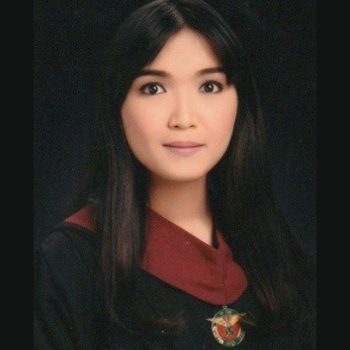
Hannah Mae Dixon

Tsunamis generated by volcanoes are rare, yet extremely dangerous hazards, especially due to their localised impact. Despite a high density of small islands and active volcanoes, few volcanoes in eastern Indonesia have been studied in regards to their tsunami-generating potential. This project aims to review and consolidate the historical record of these events in Indonesia, before identifying high-hazard volcanoes, and analysing local exposure. By combining hazard, exposure, and social vulnerability, at-risk areas can be identified and – through work with BRIN and BKMG (national agencies concerned with tsunamis and volcanoes) – disaster risk reduction measures can be introduced. For example: understanding of the interconnection of these hazards can be improved within local communities, and mitigative measures developed to suit local areas (e.g. improvements to monitoring capacity, education, evacuation routes).


Before my PhD, I worked as an intern and consultant within the communications team of the United Nations Office for Disaster Risk Reduction (UNDRR). This work involved information management, improving PreventionWeb as a knowledge base for DRR, as well as pursuing original content with experts in the field. I also conducted campaign work, focusing on individual events such as the International Day for Disaster Risk Reduction, and World Tsunami Awareness Day. There were further continual
campaigns, including improvement and promotion of the Stop Disasters game to teach preparedness to children. Lastly, my time at UNDRR was further occupied by work on the official social media accounts, mainly developing card and video assets and scheduling across multiple platforms.

Following on from my undergraduate degree in Geography at Cambridge and a Masters in Geophysical Hazards at UCL, I have a strong background in hazards assessment. However, I found the duration of projects didn’t allow for the depth or complexity I wanted to achieve in my work – doctoral research provides the opportunity to provide thorough work that can have real-life impacts.

Studentships provided by CENTA are more than just funding; they provide training and extensive opportunities for cohort building, too, which drew me to apply. Building a research community around yourself as a researcher and your project is vital to PhD work, and to be able to do so across universities and disciplines – including field trips and conferences – is a great opportunity.

The training provided by CENTA has already allowed me to work on my presentation skills and graphical design. These skills will be valuable working in risk communication – a vital form of science communication that aims to empower people to understand the hazards posed to them, and remain prepared. My future plans will hopefully involve working in risk communication within intemational NGOs focused on disaster risk reduction.

Contact information

Other Student Profiles

Skip to content