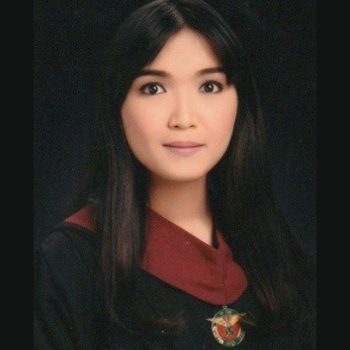
Katie Perry
- The Open University
- The role of the hydrological niche in predicting vegetation response to climate change
- Professor David Gowing; Doctor Clare Lawson; Doctor Simon Smart
I will be expanding on previous research demonstrating hydrological niche segregation on floodplain meadows and the machair by assessing the resilience of these vegetation communities to climate change. I will do this by modelling future soil-water regimes based on climate projections, and assessing how plant communities are likely to change in response to these.
I started my PhD shortly after finishing a Masters in Biodiversity and Wildlife Conservation at Oxford Brookes University. As part of this I carried out research into the role of plant pollinator networks in measuring floodplain meadow restoration success.
I have found through my masters and undergraduate research how much academic research suits the way my brain works. I really enjoy the process of asking and then working to answer research questions. I have a particular interest in the mechanisms which allow species rich habitats to exist, and so was excited to be able to do a PhD as part of the floodplain meadow partnership.
It appealed to me that by applying to a CENTA studentship I was able to apply to a specific research project, which I could start working on as soon as the studentship started. I felt CENTA’s training structure suited the way I learn, particularly the fact that I am able to engage with training throughout the PhD as it becomes relevant to my goals.
The training CENTA provides is highly relevant not only to my PhD but also to a continued academic career. I hope that by having connections with CENTA’s partner organisations I will be more aware of opportunities in my field, and equipped to take advantage of these. I would like to continue in research, and the experience this PhD will give me in hydro-ecology will broaden the options available to me to do this.